|
|
 |
| |
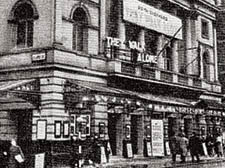 The Shaftesbury Theatre The Shaftesbury Theatre |
Show must go on
FROM unscheduled blackouts to the rationing of interval ice-cream, the Second World War was a testing time for Theatreland.
The Shaftesbury(pictured above) and Queen’s theatres were totally destroyed during the Blitz and the Old Vic, Duke of York’s and Sadler’s Wells were also damaged.
Drury Lane was closed to the public and transformed into the headquarters of Entertainments National Service Association, an organisation that provided professional entertainment for the armed forces.
The industry suffered from young actors and technicians being conscripted and the rationing of programme paper, electricity and rope and clothing for costumes.
But it was out of this era that the famous showbiz phrase “the show must go on” was born.
The Windmill Theatre in Soho stayed open to the public throughout the war years. Revue shows kept the spirits high and Noel Coward wrote Blithe Spirit and Richard Attenborough starred alongside Dulcie Gray and Hermione Baddeley in Brighton Rock.
Laurence Olivier and Ralph Richardson worked together on Othello, Peer Gynt, Arms And The Man and Uncle Vanya. Both received knighthoods in 1947 for their work.
Following the end of the war, the Arts Council of Great Britain was formed, under the chairmanship of John Maynard Keynes.
It led to the kind of subsidised theatre we have today – a legacy that, with “culture” budgets being poured into the hosting of the Olympic Games, is now under threat.
TOM FOOT
|

|
|
| |
|
|
|


